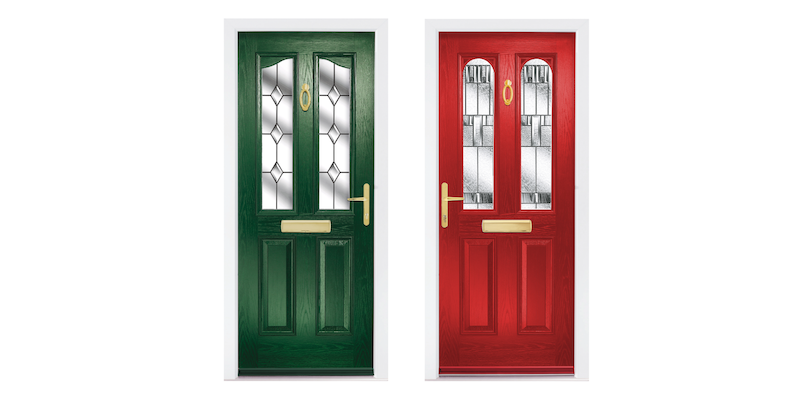
Why No One Cares About Home Improvement
The Ultimate Guide to Home Improvement: Transforming Your Living Space
Home improvement is more than simply a trend; it is a crucial part of enhancing one's living environment, increasing property worth, and promoting individual design. With a myriad of alternatives, varying from small remodellings to finish overhauls, purchasing home improvement can yield considerable benefits, whether for one's own satisfaction or for future resale. This short article explores different elements of home improvement, offering insights, tips, and regularly asked questions that will assist homeowners make informed choices.
Comprehending Home Improvement
Home improvement refers to a large spectrum of activities targeted at upgrading or remodeling domestic spaces. These can consist of minor repairs, visual upgrades, or major renovations. Executing these modifications can assist create a comfortable, effective, and elegant home that shows the homeowner's taste.
Significant Categories of Home Improvement
Understanding the categories of home improvement can improve your planning process. Here are 4 main locations to consider:
Interior Renovations
- Painting and wallpapering
- Flooring upgrades (carpets, tiles, hardwood)
- Kitchen and bathroom remodels
- Lighting and fixtures modifications
Exterior Renovations
- Siding and roofing replacements
- Deck or deck building and construction
- Landscaping and gardening
- Windows and door replacements
Energy Efficiency Upgrades
- Insulation improvements
- Energy-efficient window installations
- Photovoltaic panel installation
- High-efficiency heating and cooling systems
Smart Home Upgrades
- Smart thermostats
- Home security systems
- Automated lighting and blinds
- Smart home appliances
Why Home Improvement Matters
Participating in home improvement can offer various concrete and intangible benefits:
- Increased Property Value: Upgrades can yield a high roi (ROI), particularly if concentrating on cooking areas and restrooms.
- Enhanced Functionality: Changes can improve everyday jobs, offer much better organization, and improve convenience.
- Energy Savings: Upgrading to energy-efficient materials and home appliances can significantly lower utility costs.
- Individual Expression: Home renovations permit property owners to reveal their style and personality.
Preparation Your Home Improvement Project
An effective home improvement project starts with cautious preparation. Below is a detailed guide to help you browse the process:
Define Your Goals
- Identify what you desire to achieve— whether it's for visual reasons, functional enhancements, or energy efficiency.
Set a Budget
- Lay out how much you are willing to spend. Consider both the costs of supplies and labor.
Research and Gather Ideas
- Use online platforms like Pinterest or Houzz to gather design ideas and inspiration.
- Check out home improvement shops for materials and skilled guidance.
Work With the Right Professionals
- Depending on the scale of your task, think about whether you need a designer, specialist, or designer.
- Inspect certifications, experience, and referrals before hiring.
Create a Timeline
- Develop a reasonable timeline for your project, including preparation time, conclusion dates, and possible delays.
Obtain Necessary Permits
- Confirm whether licenses are needed for your job. Consider researching local laws and guidelines.
Start the Project
- As the task begins, keep open communication with your contractors or team to guarantee whatever is advancing as planned.
Tips for Successful Home Improvement
To take full advantage of the benefits of home improvement jobs, think about the following suggestions:
- Focus on High-Impact Areas: Renovate spaces that yield the highest ROI, such as kitchen areas, restrooms, and outside spaces.
- Stay with a Cohesive Style: Ensure that improvements harmonize with the existing style and structure of your home.
- Pick Quality Materials: Investing in resilient products tends to conserve money in the long run and boosts the home's durability.
- Think about Functionality: Prioritize styles that improve practical usage over simply aesthetic enhancements.
- Prepare for the Future: Opt for versatile designs that cater to possible future requirements, accommodating development or changes in family dynamics.
Regularly Asked Questions (FAQs)
1. How do I identify which tasks add the most worth to my home?
The most important jobs typically consist of bathroom and kitchen remodels, including outdoor living areas, and enhancing energy efficiency. Research local market patterns and talk to a real estate agent for particular advice customized to your area.
2. Should I hire a specialist or do it myself?
It depends upon the job's intricacy and your ability set. DIY can save money and deal individual satisfaction for little jobs, but larger, complicated jobs may benefit from professional expertise to make sure quality and compliance with structure standards.
3. How do I spending plan for unforeseen expenses during renovations?
It's smart to designate about 10-20% of your overall budget for contingencies. Communicate regularly with repairmywindowsanddoors to manage expectations and expenses throughout the process.
4. What are the best energy-efficient upgrades?
Some effective upgrades include adding insulation, setting up energy-efficient windows, and updating to high-efficiency HVAC systems. Solar panels can likewise be a worthwhile investment for long-term cost savings.
5. How can I guarantee my home improvement job remains on schedule?
A detailed task timeline, routine check-ins with your group, and clear interaction of expectations can help keep the project on track. Anticipating prospective challenges also permits timely resolutions.
Home improvement is a diverse undertaking that can considerably boost the lifestyle, visual appeal, and value of a home. By comprehending the numerous aspects of home improvement, clearly specifying goals, and continuing systematically, homeowners can change their areas into something amazing. Whether little updates or comprehensive renovations, the journey of improving a home can be gratifying— and eventually, it gains advantages for the entire home.